
Methodologies at a glance
Select any method to jump to its full description.
| # | Methodology | In brief | Details |
|---|---|---|---|
| 1 | Neuro-linguistic Programming (NLP) and NLP Coaching | Used to empower positive mindsets and effective communication | Read details → |
| 2 | Transformation Game | A board used as a “miniature model” of a player’s life path to reveal patterns, resolve conflicts, and offer insights for change | Read details → |
| 3 | FCP (Framework For Change Coaching Process) | Three sets of cards (Challenges / Insights / Resource) to help clients reframe challenges and apply intuition to decision-making | Read details → |
| 4 | Vision Board | A visual collage of images and words, used as a projective art assessment to unveil thinking patterns, gaps and beliefs | Read details → |
| 5 | Hypnotherapy | Guided relaxation and intense concentration to alter thoughts, feelings, and behaviors | Read details → |
| 6 | Timeline™ Therapy | Releases negative emotions and limiting beliefs by working with the “internal timeline” of memories | Read details → |
| 7 | Somatic Experiencing Trauma Therapy | A body-oriented model that resolves trauma and chronic stress by focusing on bodily sensations | Read details → |
Neuro-linguistic Programming (NLP) and NLP Coaching
 The American Board of Neuro-Linguistic Programming
 Coaching Division of The American Board of NLP
- Developed in the 1970s by Richard Bandler and John Grinder, developed from modelling the effective techniques and concepts from successful therapists, such as Virginia Satir and Milton Erickson.
- It is a powerful psychological methodology, comprises of both concepts and techniques that empowers individuals in understanding themselves as a human being and leveraging the power of their unconscious mind to create the desired outcomes in their lives.
- It covers the neurological processes in our conscious and unconscious minds (i.e. Neuro), the language that we use to interact with ourselves and others (i.e. linguistic) as well as the behavioural patterns that we learned from our experiences and auto-pilot in our responses (i.e. programming).
- Through mastering its concepts and techniques, we can create positive mindset, productive habits, effective self-empowerment, effective interpersonal communication, engaging relationships and fulfilling career and life.
NLP Coaching
Through the application of the NLP concepts and tools, we can empathise and coach others for better results effectively.

Special focus will be placed on the unconscious level root cause to blockages and misalignments, and to empower individuals with supportive beliefs and flexible perspectives.
Transformation Game
 InnerLinks Associates
The Transformation Game is a powerful, interactive tool for personal and spiritual growth developed by Joy Drake and Kathy Tyler at the Findhorn Foundation in Scotland.
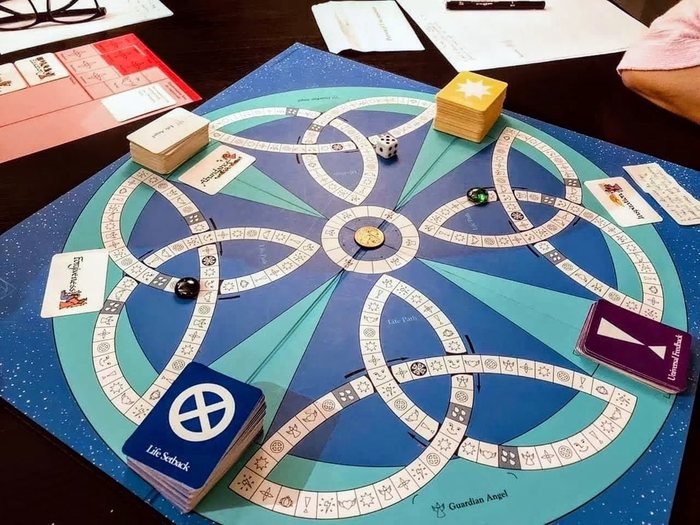
Managed by InnerLinks, the game uses a board as a “miniature model” of a player’s life path to reveal patterns, resolve conflicts, and offer insights for change.
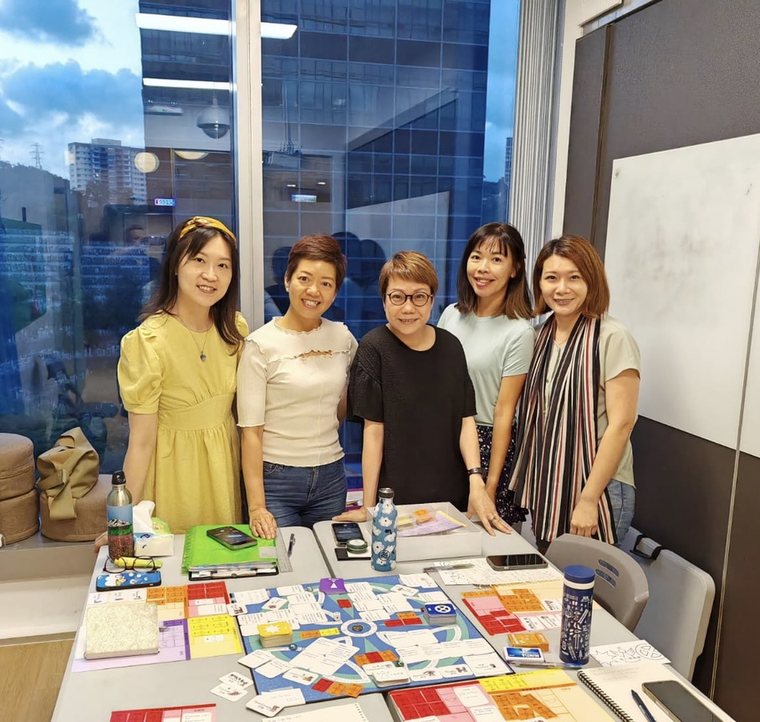
Participants play with a specific intention or “Game Focus”—such as resolving a relationship conflict or clarifying a career direction.
- The Path: Players move their markers through four levels: Physical, Emotional, Mental, and Spiritual.
- Key Components:
- Angels: Spiritual qualities (keywords) that offer support and guidance.
- Insights: Positive qualities that provide “Awareness Tokens” to move forward.
- Setbacks: Behavioral patterns that cause “Pain” and require awareness to clear.
- Universal Feedback: Features like “Miracles,” “Service,” and “Intuitive Flashes” simulate life’s synchronized events.
FCP (Framework For Change Coaching Process)
InnerLinks AssociatesFramework for Change is the professional and organizational application of the Transformation Game, developed by Joy Drake and Kathy Tyler of InnerLinks.
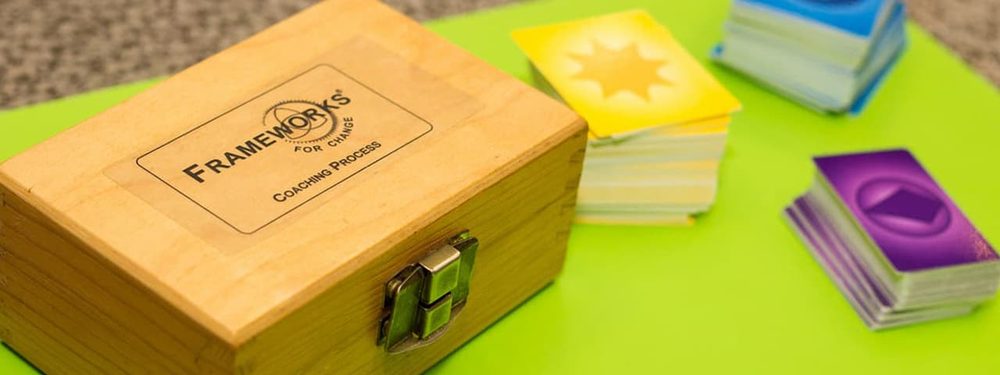
While the standard game focuses on personal and spiritual growth, this version is specifically designed for the workplace to help teams navigate change, solve complex problems, and foster creative leadership.
FCP (Framework For Change Coaching Process): A specialized coaching tool derived from the simulation. It uses three sets of cards (Challenges / Insights / Resource) to help clients reframe challenges and apply intuition to decision-making.
- Innovative Problem Solving: Discovering new strategies for persistent workplace hurdles.
- Team Alignment: Aligning individual values with organizational goals to improve collaboration and performance.
- Intuitive Decision-Making: Encouraging leaders to use their “inner source of wisdom” alongside analytical data for more balanced choices.
- Accountability: Developing personal and group accountability to sustain long-term performance improvement.
Vision Board
A vision board is a powerful, visual collage of images and words, to describe our preferences, expectations and needs for the given subject of the board.

Usually, these boards are used as affirmations for motivation and manifestation.
However, when we use Vision Board as experiential exercise, our focus is to use it as a projective art assessment to reflect and unveil the thinking patterns, habitual focus, gaps and beliefs that may be causing challenges in our work and life.
Hypnotherapy
 American Board of Hypnotherapy
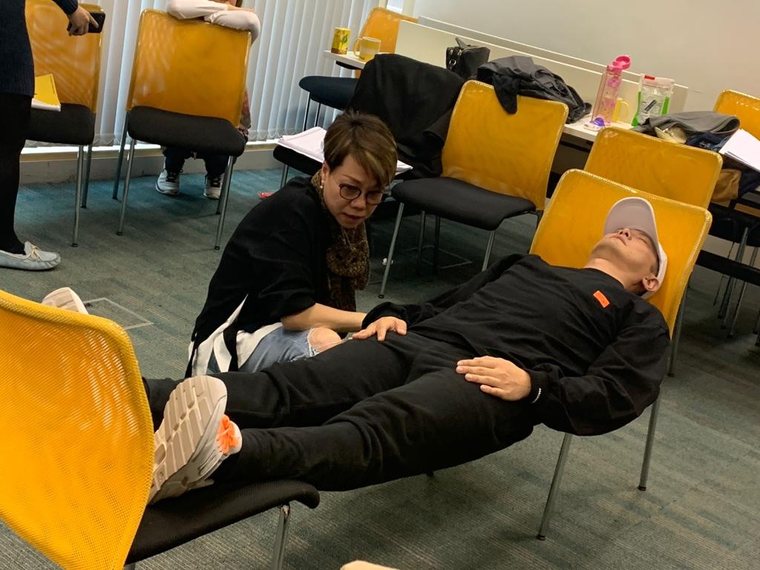
Hypnotherapy is a safe, non-invasive therapeutic technique using guided relaxation and intense concentration to achieve a heightened state of awareness (trance). It helps individuals alter thoughts, feelings, and behaviors, making it effective for anxiety, phobias, habit cessation, pain management, and stress reduction. It can also be used for state enhancement and emotional support for desired results.
- Anxiety & Stress: Manages exam anxiety, burnout, and emotional distress.
- Habit Control: Aids in stopping smoking and managing weight.
- Physical Pain: Used for pain management in dentistry and surgical preparation.
- Mental Health: Addresses trauma, phobias, and grief.
Timeline™ Therapy
 Time Line Therapy Association
Timeline Therapy™ (TLT) is a therapeutic process that helps individuals release negative emotions and limiting beliefs by working with their “internal timeline”—the unconscious way their mind organizes and stores memories.
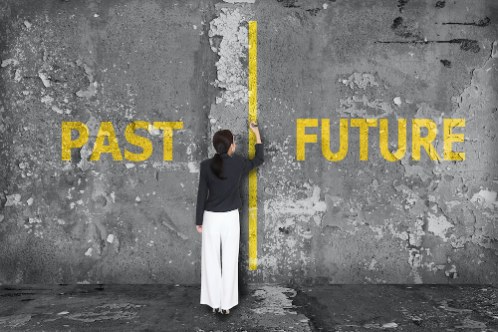
Developed in the 1980s by Dr. Tad James, it combines principles from Neuro-Linguistic Programming (NLP) and hypnotherapy to facilitate rapid and lasting change.
The Timeline Therapy™ process works at the unconscious level and release the effects of the past negative experiences and change “inappropriate” programming, i.e. perception / belief / emotional response, in minutes.
Somatic Experiencing Trauma Therapy
 Somatic Experiencing International
Somatic Experiencing (SE) is a body-oriented therapeutic model designed to resolve symptoms of trauma, PTSD, and chronic stress by focusing on bodily sensations rather than just thoughts or memories.
Developed by Dr. Peter Levine, SE helps individuals release pent-up “fight, flight, or freeze” energy, fostering nervous system regulation and resilience.
- Trauma Resolution: SE aims to complete the self-protective, instinctive responses that were interrupted during a traumatic event.
- Body Awareness: Clients are guided to notice physical sensations (e.g., tension, warmth, constriction) to build “somatic awareness”.
- Applications: Used for PTSD, anxiety, depression, and stress-related disorders.
Ready to build people who lead the way?
Tell us about your team. We’ll suggest where to start.